
Hiểu rõ thách thức về giọng điệu trong bài thi Nghe IELTS
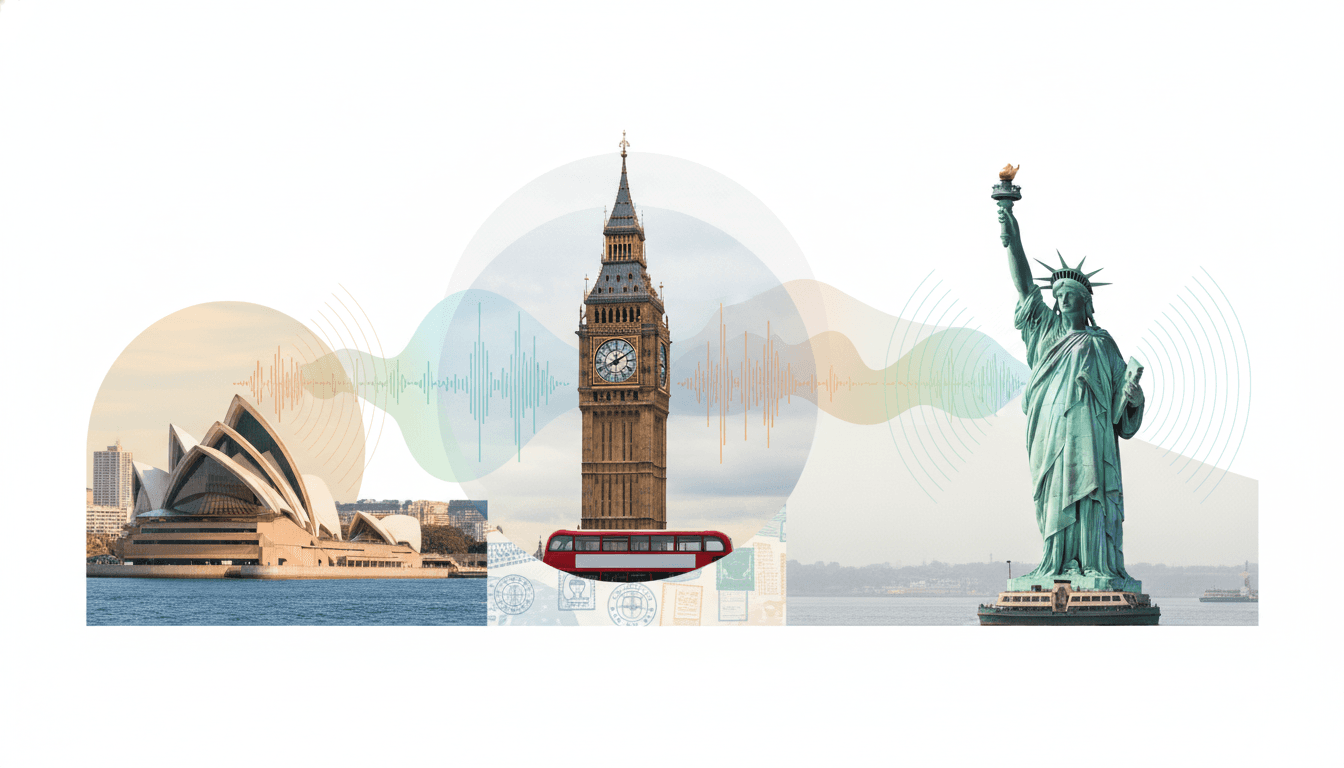
Một lỗi phổ biến mà tôi thường thấy ở người học là đánh giá thấp sự đa dạng của các giọng điệu trong bài thi Nghe IELTS. Nhiều học sinh chỉ tập trung vào tiếng Anh giọng Anh, cho rằng đó là tất cả những gì họ sẽ gặp. Tuy nhiên, bài thi bao gồm nhiều giọng điệu khác nhau, như giọng Úc, Mỹ và New Zealand. Điều này có thể gây nhầm lẫn, đặc biệt là khi bạn không quen với những điểm tinh tế của các cách phát âm khác nhau này.
Tầm quan trọng của việc làm quen với các giọng điệu khác nhau
Hiểu biết về các giọng điệu khác nhau là rất quan trọng vì nó có thể ảnh hưởng đáng kể đến khả năng hiểu âm thanh của bạn. Ví dụ, các từ có thể được phát âm khác nhau, và một số cụm từ nhất định có thể phổ biến hơn ở giọng điệu này so với giọng điệu khác.
Ví dụ, trong tiếng Anh Mỹ, người ta thường nói “gotten” như là quá khứ phân từ của “get,” trong khi trong tiếng Anh Anh, họ chỉ dùng “got.” Sự khác biệt này có thể dẫn đến hiểu lầm nếu bạn không chuẩn bị.
Phương pháp từng bước để làm chủ các giọng điệu
1. Luyện tập Nghe Chủ động
Để cải thiện khả năng hiểu các giọng điệu khác nhau, hãy kết hợp các nguồn âm thanh đa dạng vào lịch trình học tập của bạn. Đây là cách thực hiện:
-
Chọn Đa dạng Nguồn: Nghe podcast, xem phim hoặc theo dõi các kênh YouTube có người nói từ các quốc gia nói tiếng Anh khác nhau. Ví dụ, bạn có thể chọn một bộ phim truyền hình Anh, một phim tài liệu Úc và một chương trình trò chuyện Mỹ.
-
Tập trung vào các Giọng điệu Cụ thể: Dành thời gian cho từng giọng điệu. Ví dụ, dành một tuần tập trung vào giọng Úc bằng cách nghe tin tức của “Australian Broadcasting Corporation (ABC).”
2. Bài tập Chép chính tả
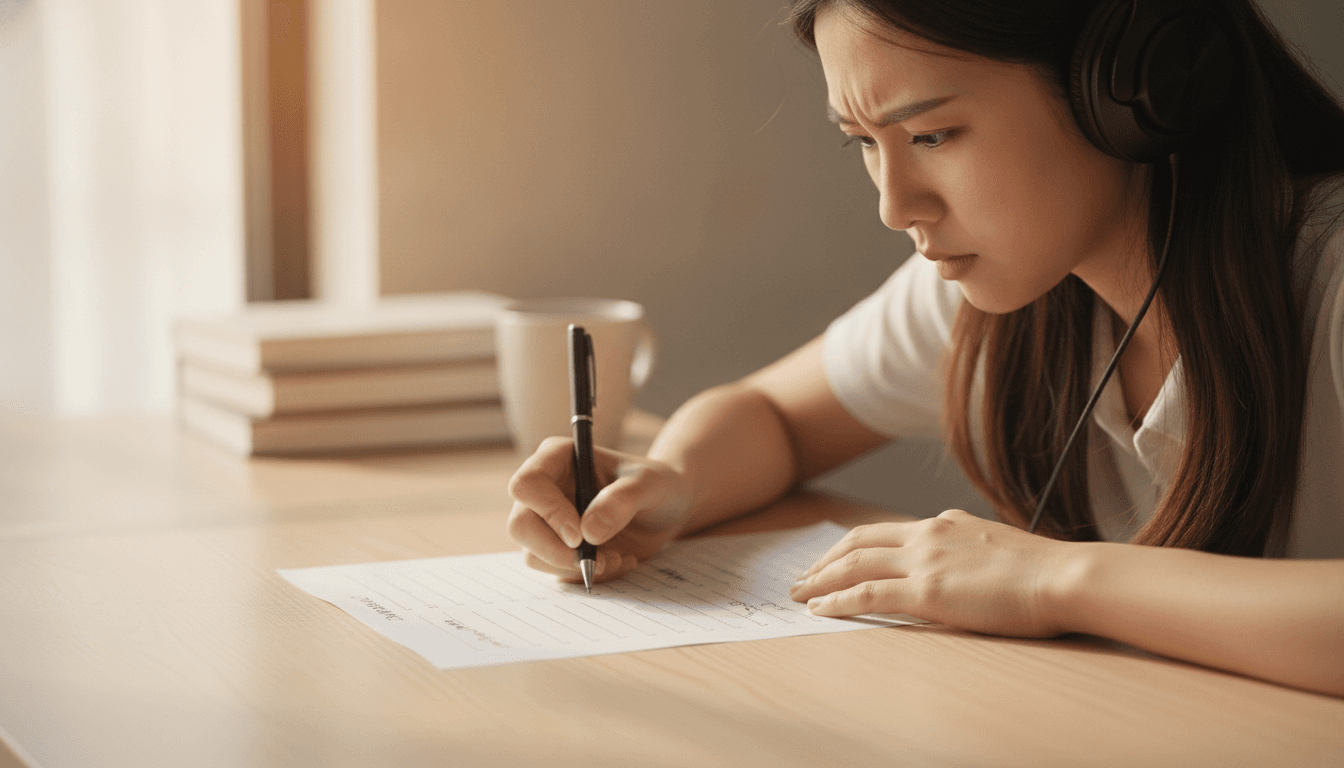
Chép lại âm thanh có thể giúp củng cố kỹ năng nghe của bạn. Đây là một quy trình đơn giản:
-
Chọn một Đoạn âm thanh: Chọn một đoạn âm thanh ngắn từ một nguồn có giọng điệu cụ thể.
-
Nghe và Viết: Phát đoạn âm thanh và viết lại những gì bạn nghe. Hãy chú ý đến cách phát âm và lựa chọn từ ngữ.
-
So sánh với Bản chép lại: Nếu có, hãy so sánh bản chép lại của bạn với bản chép lại chính thức để xác định lỗi hoặc hiểu lầm.