Nếu trước đây bạn làm Reading TOEIC mà cứ thấy hết giờ rất nhanh, bạn không hề đơn độc. Đây là tình trạng phổ biến với nhiều thí sinh.
Khi mới luyện thi, một thói quen thường gặp là đọc từ đầu đến cuối rất kỹ, cố gắng hiểu từng chữ rồi mới làm câu hỏi. Kết quả là nhiều người bị kẹt ở Part 7, càng về cuối càng hoảng. Có trường hợp còn để trống một loạt câu vì không đủ thời gian quay lại.
Thực tế cho thấy: TOEIC Reading không phải bài đọc để "thưởng thức" từng câu chữ. Đây là bài kiểm tra khả năng tìm thông tin nhanh, hiểu ý chính đủ dùng và tránh bị bẫy. Khi thay đổi cách đọc, điểm số và tốc độ đều có thể cải thiện rõ rệt.
Điều quan trọng nhất cần ghi nhớ là: đọc nhanh không có nghĩa là đọc ẩu. Bạn chỉ cần đọc đúng chỗ, đúng mục tiêu.
Hiểu đúng cấu trúc phần Reading để không bị ngợp
Để tiếp cận hiệu quả phần Reading, việc nắm vững cấu trúc đề là vô cùng cần thiết, giúp bạn tránh cảm giác hoang mang khi làm bài.
TOEIC có tổng cộng 200 câu: Listening 100 câu và Reading 100 câu. Điểm tối đa là 990, với Listening 495 và Reading 495. Phần làm bài kéo dài 2 giờ, gồm 45 phút Listening và 75 phút Reading.
Phần Reading gồm:
Part 5: 30 câu điền từ
Part 6: 16 câu điền đoạn, chia thành 4 đoạn × 4 câu
Part 7: 54 câu đọc hiểu
Nhiều thí sinh đọc chậm vì cho rằng Reading là phải dịch toàn bộ. Thật ra, với TOEIC, bạn chỉ cần xử lý đúng 3 việc:
Keep reading
Tìm loại thông tin câu hỏi đang yêu cầu
Đọc phần liên quan, không đọc lan man
Loại đáp án sai nhanh
Khi hiểu rõ cấu trúc này, bạn sẽ cảm thấy tự tin hơn nhiều khi đối mặt với Part 7.
Cách đọc hiểu nhanh bạn nên áp dụng
1) Đọc câu hỏi trước, nhưng không đọc bừa
Đây là một trong những thay đổi quan trọng nhất trong cách tiếp cận Reading TOEIC. Thay vì đọc cả bài trước rồi mới nhìn câu hỏi (một thói quen tốn thời gian và dễ quên nội dung), bạn nên chuyển sang đọc câu hỏi trước trong Part 7. Nhờ đó, bạn sẽ biết chính xác loại thông tin cần tìm: tên người, thời gian, lý do, địa điểm, số liệu hay thái độ.
Ví dụ, khi gặp câu hỏi kiểu “What is the purpose of the email?”, bạn biết rằng chỉ cần đọc phần mở đầu và phần kết email để nắm bắt ý chính, không cần phân tích sâu từng câu.
2) Gạch keyword thật nhanh
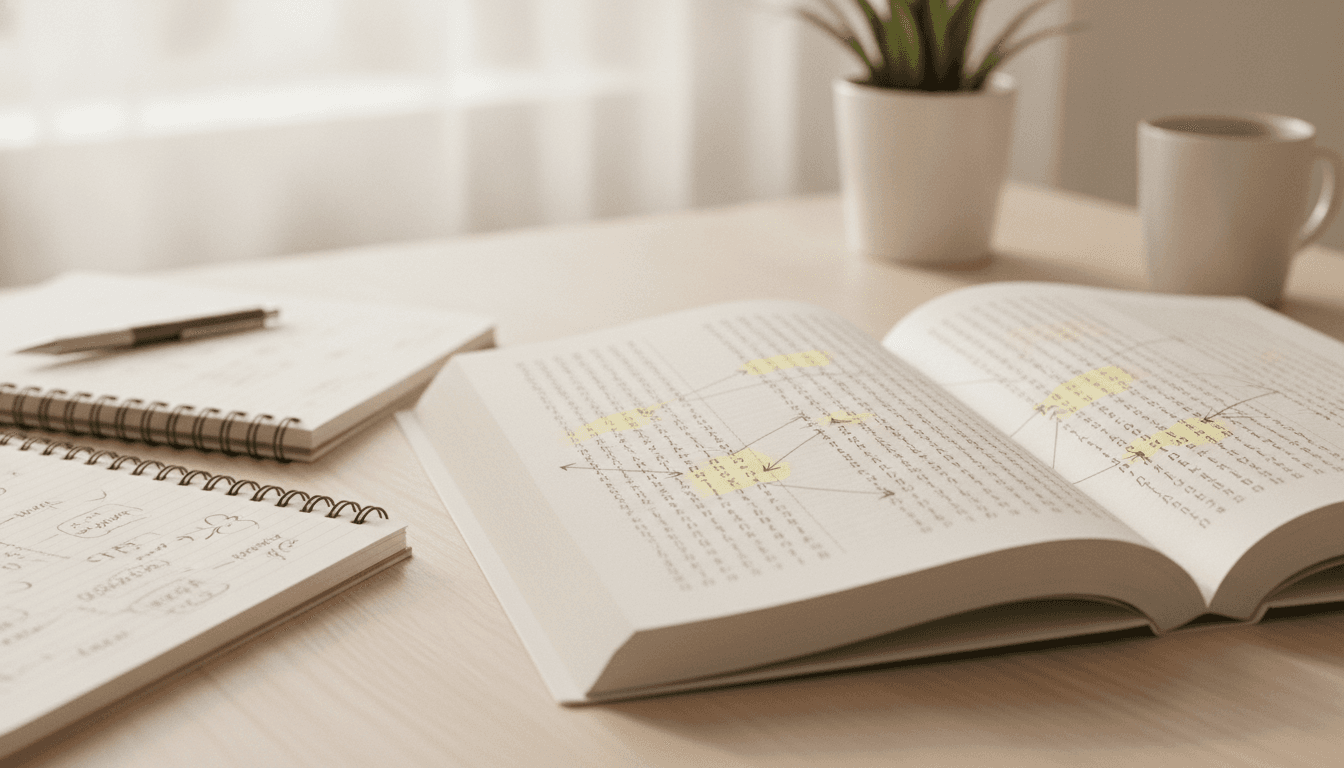
Bạn không nên gạch quá nhiều. Gạch cả đoạn văn sẽ khiến bạn rối mắt. Chỉ nên gạch những từ mang thông tin chính như:
tên riêng
ngày tháng
địa điểm
số tiền
hành động chính
từ hỏi: who, what, when, where, why, how
Việc lựa chọn keyword hiệu quả giúp bạn định hướng tầm mắt đúng trọng tâm. Gạch quá nhiều có thể làm bạn chậm hơn.
3) Đọc theo “mục tiêu câu hỏi”, không đọc theo cảm xúc
Khi đọc một cách tò mò, bạn dễ sa đà vào những chi tiết không cần thiết. Ngược lại, khi đọc có mục tiêu, bạn sẽ tập trung hơn rất nhiều.
Ví dụ, nếu câu hỏi hỏi về who, bạn chỉ tập trung tìm người liên quan. Nếu hỏi when, bạn tìm mốc thời gian. Nếu hỏi why, bạn tìm câu giải thích hoặc mục đích.
Cách này tuy đơn giản nhưng lại là chìa khóa quan trọng để tiết kiệm thời gian.
4) Chấp nhận bỏ qua những chỗ chưa cần hiểu ngay
Đây là một kỹ năng cần rèn luyện. Ban đầu, nhiều người có xu hướng dừng lại để cố gắng hiểu mọi câu, mọi từ khi chưa nắm rõ. Tuy nhiên, TOEIC không cho phép bạn có nhiều thời gian như vậy.
Bạn cần học cách bỏ qua những từ không quyết định đến đáp án. Nhiều khi chỉ cần hiểu 70–80% nội dung là đủ để chọn đúng.
Dù cách này không áp dụng cho mọi tình huống, nhưng với TOEIC thì nó rất thực tế. Bạn sẽ thấy sự tiến bộ khi không còn cố gắng hiểu hoàn hảo từng câu.
Chiến thuật riêng cho Part 5, 6 và 7
Part 5: làm nhanh, không sa lầy
Part 5 gồm 30 câu điền từ. Đây là phần bạn có thể tận dụng để lấy lại nhịp độ làm bài.
Cách tiếp cận hiệu quả:
Nhìn nhanh loại từ cần điền: danh từ, động từ, tính từ, trạng từ
Xác định chủ ngữ và động từ trong câu
Loại bỏ các phương án không đúng ngữ pháp trước
Nếu vẫn phân vân, đọc cả câu để xem nghĩa có tự nhiên không
Tránh mất quá nhiều thời gian ở Part 5 vì cố gắng phân tích quá sâu. Đặt giới hạn thời gian ngắn cho mỗi câu sẽ giúp bạn có nhiều thời gian hơn cho Part 7.
Part 6: đọc theo đoạn, không đọc từng câu rời
Part 6 có 16 câu điền đoạn, chia thành 4 đoạn × 4 câu. Phần này dễ bị làm chậm nếu bạn đọc rời rạc từng câu.
Bạn có thể áp dụng cách sau:
Đọc tiêu đề nếu có
Đọc câu trước và sau chỗ trống để hiểu mạch ý
Chú ý liên kết từ: however, therefore, also, in addition
Kiểm tra đại từ, thì động từ và sự thống nhất ý
Điều quan trọng cần lưu ý là: Part 6 không chỉ kiểm tra ngữ pháp, mà còn kiểm tra khả năng bám sát mạch nội dung.
Với Part 7, bạn không nên cố đọc hết toàn bộ bài rồi mới làm câu hỏi. Thay vào đó, hãy:
đọc câu hỏi trước
xác định dạng câu hỏi
scan đoạn văn để tìm thông tin
chỉ đọc kỹ phần có khả năng chứa đáp án
Nếu là bài nhiều văn bản, bạn càng phải giữ bình tĩnh. Hãy tự nhắc rằng không phải câu nào cũng cần đọc kỹ như một bài học thuật. TOEIC thường đưa thông tin có thể dò ra khá rõ, chỉ là nó được viết theo cách thực tế hơn.
Những lỗi làm bạn mất thời gian
Nhiều thí sinh thường mắc vài lỗi rất phổ biến:
Đọc quá kỹ ở những câu dễ
Dịch từng từ sang tiếng Việt trong đầu
Quay lại sửa câu quá lâu
Hoảng sợ khi gặp từ không biết
Không quản lý thời gian theo từng part
Nhiều thí sinh thường mắc sai lầm khi cố gắng “làm cho chắc” từng câu, dẫn đến việc hết giờ và mất điểm. Điều này cho thấy trong TOEIC Reading, tốc độ và độ chính xác phải đi cùng nhau.
Để khắc phục, bạn có thể tập luyện bằng cách:
bấm giờ khi luyện
không dừng quá lâu ở một câu
đánh dấu câu khó để quay lại sau
ưu tiên làm câu dễ trước
Cách luyện để đọc nhanh hơn mà không đoán mò
Việc luyện đọc nhanh không chỉ dựa vào mẹo vặt. Cách bền vững hơn là rèn luyện đúng thói quen.
Bạn có thể áp dụng ba phương pháp sau:
1) Luyện theo time block
Chia thời gian luyện thành từng khối nhỏ. Ví dụ, làm một nhóm Part 5 trong thời gian giới hạn, rồi chuyển sang Part 7 với đồng hồ bấm rõ ràng.
Cách này giúp bạn quen với áp lực thời gian thực tế.
2) Sửa lỗi sau khi làm
Không chỉ dừng lại ở việc kiểm tra đáp án đúng sai. Bạn nên tự hỏi:
Vì sao tôi chọn sai?
Tôi đọc thiếu keyword nào?
Tôi bị từ nào đánh lừa?
Nếu gặp lại, tôi sẽ nhìn vào đâu trước?
Quá trình sửa lỗi này sẽ giúp bạn cải thiện tốc độ đọc về lâu dài.
3) Tăng vốn từ theo ngữ cảnh TOEIC
Bạn không nên học từ vựng theo kiểu nhồi nhét càng nhiều càng tốt. Hãy ưu tiên các từ hay gặp trong email, thông báo, lịch họp, hóa đơn, tuyển dụng, giao hàng.
Khi quen thuộc với các cụm từ này, bạn sẽ nhận thấy tốc độ đọc Part 7 cải thiện rõ rệt, vì não không còn phải dịch từng chữ nữa.
Một ví dụ nhỏ về cách đọc nhanh hơn
Q: What is the main purpose of the message?
A: To inform employees about the new office schedule.
Dịch: Mục đích chính của tin nhắn là gì? — Để thông báo cho nhân viên về lịch làm việc mới của văn phòng.
Với dạng câu hỏi này, bạn không cần đọc hết từng chi tiết ngay từ đầu. Hãy tập trung vào câu mở đầu, câu kết, và các từ liên quan đến “schedule”, “employees”, “office”. Cách này giúp bạn nắm bắt ý chính nhanh hơn nhiều so với việc cố gắng dịch toàn bộ đoạn văn.
Kết luận
Để tóm gọn lại cách đọc hiểu nhanh cho phần Reading của TOEIC, có thể nói rằng: đừng đọc để hiểu mọi thứ, hãy đọc để tìm đúng thứ cần tìm.
Nhiều người từng gặp khó khăn khi đọc chậm, e ngại Part 7 và thường hết giờ. Tuy nhiên, khi bạn chuyển sang đọc theo câu hỏi, gạch keyword hợp lý, chấp nhận bỏ qua phần chưa cần thiết và luyện tập có thời gian, bạn sẽ thấy Reading trở nên dễ dàng hơn hẳn.
Việc luyện thi TOEIC là một quá trình liên tục, và không có một phương pháp nào là “hoàn hảo” tuyệt đối. Tuy nhiên, những chiến thuật được chia sẻ ở đây đã được nhiều người áp dụng và chứng minh hiệu quả.
Nếu bạn đang muốn đọc hiểu nhanh hơn, hãy bắt đầu từ một thay đổi rất nhỏ: lần làm bài tới, thử đọc câu hỏi trước rồi mới đọc bài. Chỉ một thay đổi đó thôi cũng có thể giúp bạn tiết kiệm khá nhiều thời gian.
<<>>
Frequently asked questions
Muốn đọc nhanh hơn trong TOEIC Reading thì nên bắt đầu từ đâu?
Mình nghĩ nên bắt đầu từ Part 7: đọc câu hỏi trước, gạch keyword và tập tìm thông tin thay vì đọc toàn bộ bài từ đầu đến cuối.
Có nên dịch từng từ khi làm Reading TOEIC không?
Mình không khuyên dịch từng từ, vì rất dễ mất thời gian. Mình thường chỉ cần hiểu ý chính và tập trung vào từ khóa quyết định đáp án.
Làm sao để không bị hết giờ ở phần Reading?
Mình dùng giới hạn thời gian cho từng part, làm câu dễ trước, không sa lầy ở một câu quá lâu và luyện với đồng hồ bấm giờ.
Part nào trong Reading cần tốc độ nhất?
Với mình, Part 7 cần tốc độ và chiến lược đọc nhiều nhất vì có 54 câu. Nhưng Part 5 và 6 cũng phải làm gọn để dành thời gian cho Part 7.
Tags:#toeic#reading#part 7#tu hoc toeic#ky nang doc hieu
T
Toey
Verified coach
Toey is an AI-powered IELTS & TOEIC prep platform. Our guides are written with examiner-informed criteria and tested against thousands of real practice attempts.