

Giới Thiệu
Khi chuẩn bị cho bài thi IELTS Reading, nhiều học viên gặp khó khăn với việc quản lý thời gian và khả năng hiểu bài — hai yếu tố quan trọng để đạt được band điểm cao. Trong bài viết này, tôi sẽ hướng dẫn bạn các kỹ thuật nâng cao như skimming và scanning, giúp cải thiện cả tốc độ đọc và khả năng hiểu của bạn.
Vấn Đề Thường Gặp Của Học Viên: Quản Lý Thời Gian
Một trong những vấn đề thường xuyên nhất mà tôi thấy ở các thí sinh IELTS là hết giờ trong phần Reading. Nhiều học viên dành quá nhiều thời gian cho từng câu hỏi hoặc từng đoạn văn, dẫn đến việc trả lời không đầy đủ.
Hiểu Đúng Vấn Đề + Ví Dụ Thực Tế
Điều quan trọng là phải hiểu rằng bài thi IELTS Reading được thiết kế để đánh giá khả năng tìm kiếm thông tin nhanh chóng của bạn. Ví dụ, hãy xem xét một câu hỏi yêu cầu về ý chính của một đoạn văn. Thay vì đọc từng chữ, bạn nên xác định các từ khóa để giúp định vị thông tin liên quan một cách nhanh chóng.
Ví dụ: Nếu câu hỏi là, "What is the primary concern of the research discussed in paragraph 3?" (Mối quan tâm chính của nghiên cứu được thảo luận trong đoạn 3 là gì?), hãy tập trung vào các từ như "primary concern" (mối quan tâm chính) và "research" (nghiên cứu) trong khi quét đoạn văn.
Phương Pháp Cụ Thể Từng Bước: Làm Chủ Kỹ Thuật Skimming
Để lướt văn bản hiệu quả, hãy làm theo các bước sau:
- Xem lướt câu hỏi: Trước khi đọc bài, hãy lướt qua các câu hỏi để xác định thông tin bạn cần trích xuất.
- Đọc câu đầu và câu cuối: Thường thì ý chính được gói gọn trong các câu này.
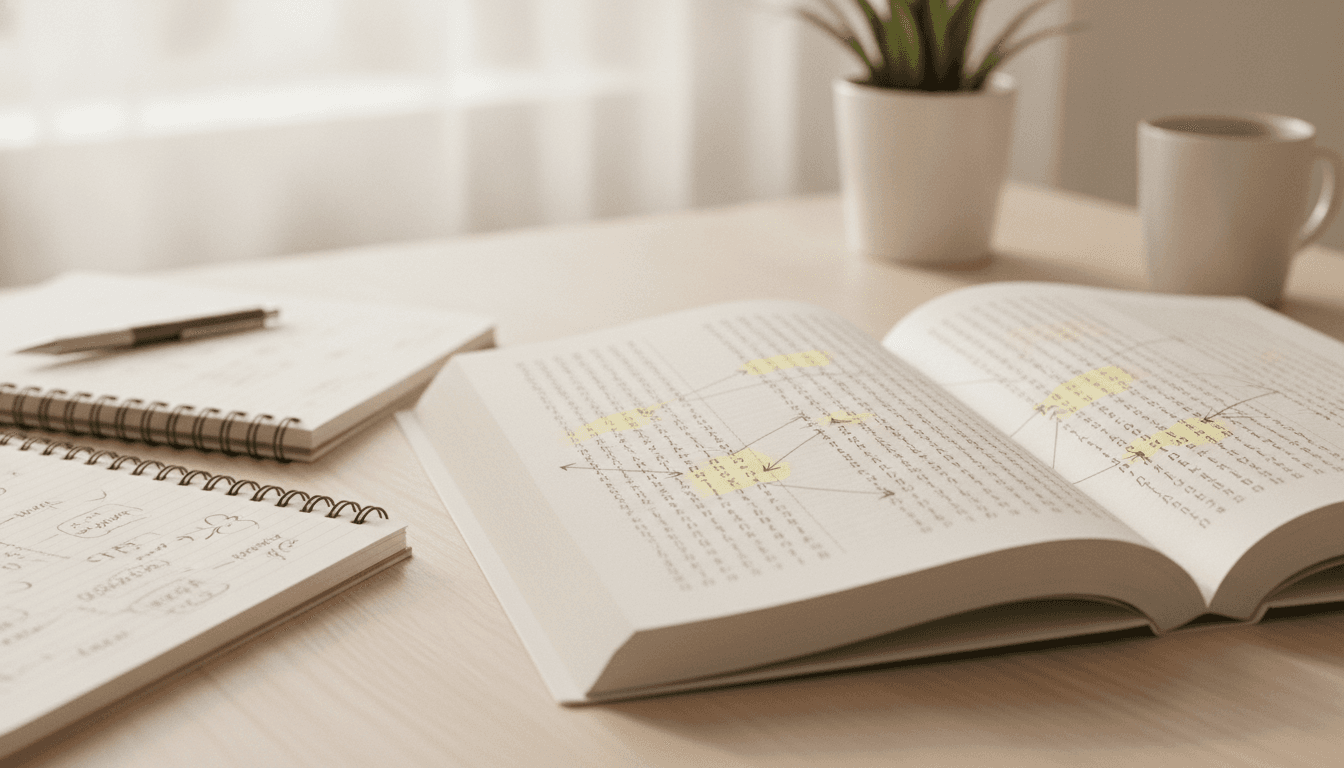
- Tìm kiếm từ khóa: Khi đọc, hãy gạch chân hoặc ghi lại các từ khóa nổi bật liên quan đến câu hỏi.
- Tóm tắt ý chính: Sau khi lướt, hãy viết một câu tóm tắt ý chính của đoạn văn bằng lời của bạn để củng cố sự hiểu biết.
Ví dụ: Sau khi lướt một đoạn văn về biến đổi khí hậu, bạn có thể viết, "The passage discusses the increasing severity of weather patterns due to global warming." (Đoạn văn thảo luận về mức độ nghiêm trọng ngày càng tăng của các kiểu thời tiết do sự nóng lên toàn cầu.)
Cạm Bẫy Thường Gặp Cần Tránh
Trong khi skimming là một kỹ thuật có giá trị, nhiều học viên hoặc lướt quá nhanh hoặc bỏ lỡ thông tin quan trọng.