

Hiểu rõ tầm quan trọng của Skimming và Scanning
Một trong những thách thức phổ biến nhất mà thí sinh IELTS gặp phải ở phần Đọc hiểu là quản lý thời gian. Nhiều người học dành quá nhiều thời gian cho từng câu hỏi, dẫn đến việc trả lời không đầy đủ và điểm số thấp. Skimming và scanning là hai chiến lược đọc hiểu thiết yếu có thể nâng cao đáng kể hiệu suất của bạn.
Vấn đề thường gặp của người học
Học viên thường nhầm lẫn skimming với việc đọc chi tiết. Họ có thể nghĩ rằng mình có thể đọc từng chữ và vẫn quản lý thời gian hiệu quả. Tuy nhiên, cách tiếp cận này thường dẫn đến sự thất vọng và lãng phí thời gian, còn lại ít thời gian hơn cho các câu hỏi khó hơn.
Hiểu đúng
Skimming là đọc lướt nhanh qua văn bản để nắm bắt ý chính và cấu trúc tổng thể. Ngược lại, scanning là tìm kiếm thông tin cụ thể trong văn bản. Cả hai chiến lược đều rất quan trọng để trả lời hiệu quả các câu hỏi trong phần Đọc hiểu IELTS.
Ví dụ: Khi skimming một đoạn văn về biến đổi khí hậu, bạn có thể nhận thấy các tiêu đề hoặc từ khóa như "carbon emissions" (phát thải carbon) và "global warming" (nóng lên toàn cầu), cung cấp một sự hiểu biết chung mà không cần đọc từng câu.
Phương pháp tiếp cận từng bước cụ thể
-
Làm quen với các dạng câu hỏi: Biết các dạng câu hỏi (ví dụ: multiple choice, true/false/not given) có thể giúp bạn tập trung nỗ lực skimming và scanning.
-
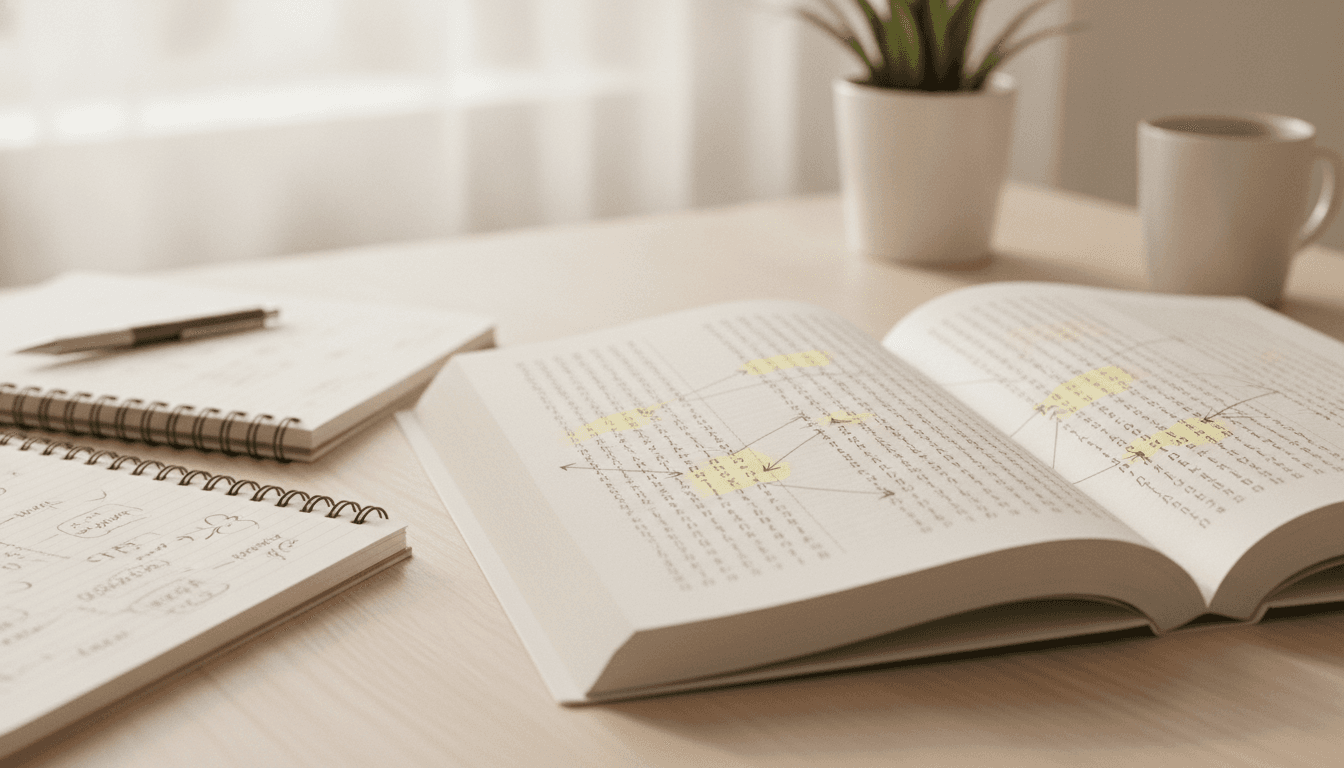
Skim để nắm cấu trúc trước: Đọc phần giới thiệu và kết luận của mỗi phần, và tìm kiếm các tiêu đề, tiêu đề phụ, hoặc bất kỳ văn bản nào được tô sáng hoặc in đậm. Điều này sẽ cung cấp cho bạn một lộ trình của đoạn văn.
-
Xác định từ khóa: Trước khi bắt đầu đọc, hãy xác định các từ khóa trong câu hỏi mà bạn có thể tìm kiếm khi scanning.
-
Đọc câu đầu tiên và câu cuối cùng của mỗi đoạn: Điều này thường chứa ý chính và có thể giúp bạn hiểu được nội dung chính của đoạn văn.
-
Sử dụng ngón tay hoặc bút chì để dẫn đường mắt: Điều này có thể giúp duy trì sự tập trung và tăng tốc độ đọc của bạn.
-
Thực hành quản lý thời gian: Phân bổ thời gian cụ thể cho skimming và scanning trong các buổi thực hành để mô phỏng điều kiện thi thực tế.